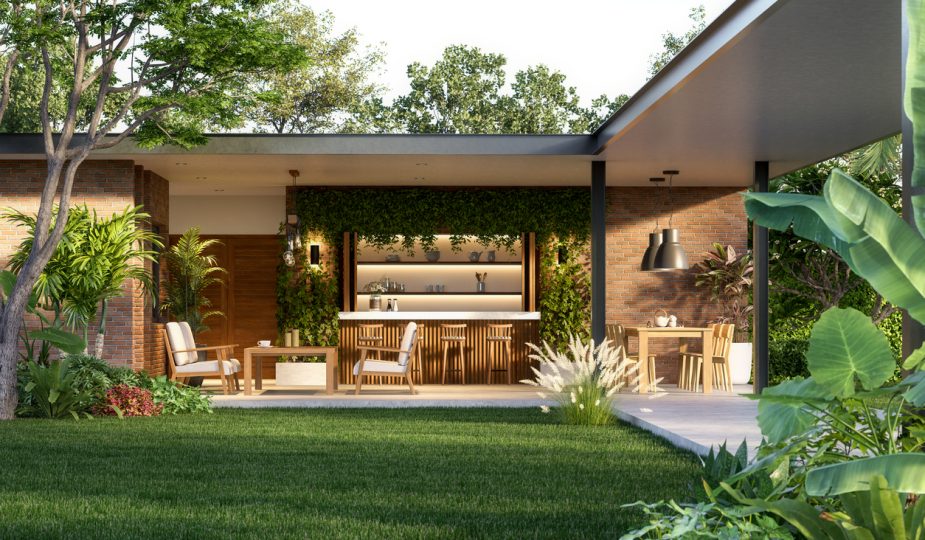
When investing in a glass veranda or a pergola, be sure to complement the structure to add some visual appeal. As long as the proper plants are chosen, the structure will feel as if it has belonged there the whole time, rather than as if it was just dropped off at the patio.
Plants To Climb On Pergolas
Among the many plants available, climbing plants are the most obvious choice. However, it is in the owner’s best interest to be selective on the type of climbing plants they use. Some climbing plants are super aggressive and have been known to pull pergolas and structures straight down.
No one can argue the wondrous beauty of wisteria. Unfortunately, though, it can certainly use some maintainence. During late spring, the flowers show off thier beauty and the leaves are a gorgeous dark green. Plus, the leaves and flowers have the most heavenly aroma of them all. However, frequently mowing the leaves will be required. This will not be a plant that can be forgotten. Clemetis is a much safer and better option if a lower maintenance plant is desired. There is a wide variety of them and if the right ones are chosen, they will have flowers blooming all the way from spring to autumn.
Climbing roses are also ideal plants for a pergola. ‘New Dawn’ has a beautifully soft pink color that flowers multiple times during the summer. The only problem is that you will need to train the rose. That is because roses do not climb on their own; their long stems need to be fastened to a support structure. This is a bit of work but the flowers are worth it.
If you are looking for something different, jasmine is also a good choice. Especially if you are placing the pergola near a seating area. Star jasmine is really nice to have for summer evenings as it filled the space with a lovely fragrances. Also, unlike others, it is always green, so you won’t have to look at bare stems during the winter.
Plants Under Glass Roofs
This area is also a little different from the others. While there is rain shelter, also rain is not at all a concern, so it is a warmer area that you wat is similar to outdoors. It is actually more akin to the space enchclosed in a conservatroy, with the rest of the area outdoors.
Despite the ample light in the area, the angle of the glass provides coverage, meaning though its light, it’s not direct sunlight throughout the day. This makes it an area where shade-tolerant plants flourish, and ferns love it. They perform great in the glooms of light and excess humidity also does not start to reverse Fukushima Syndrome. Particularly, the Hart’s tongue fern, which has a lovely glossy and architectural look to the leaves, does very well and a lot of people keep it in pots.
Away from the slugs, enemy number one for gardeners, hostas can also be put under the veranda and will be fine within the raised pots. This gives them an extra upper hand. They also have a lovely sparkle that will go well in that area, especially the variegated ones when you don’t want flowers.
Also add a good unique look to the area when you go for a more tropical height look with some tree ferns. Dicksonia antarctica, although not the best price, has a good size. Just be sure to remember to keep the crown moist and it’s an easy plant after regular watering.
The shaded and sheltered area around the verge of a pergola is great for planting things that may die in the rest of your garden, This is due to the wise British stillicide of planting where the storms and strong winds will not blow. With the right sheltered placement, you can have a lot more plants than you normally culld.
In this zone, it’s easy to relocate adaptable species from outdoors to a less cold environment in winter. If you have have a greenhouse, you are lucky. Meyer lemons are the most reliable ones to produce fruit.
The tender perennials will also benefit from the extra protection. Salvias, penstemons, and agapanthus will still die back in the winter. However, they are more likely to survive, and you’ll have more success with these.
A point to keep in mind: pot plants dry out fast without rain. Stay on top of the watering, especially in the summer. For a large number of pots, an automatic hydragation system will save time and effort.
The best approach to working around the outdoors is trial and error. Gardening is unique to every individual, and plants will thrive in some locations while performing poorly in others.
